A journal for people who create
VIZURAI News Ideas, new models and changes in your creative studio.
VIZURAI editorial team 2026-11-03 Pause motion
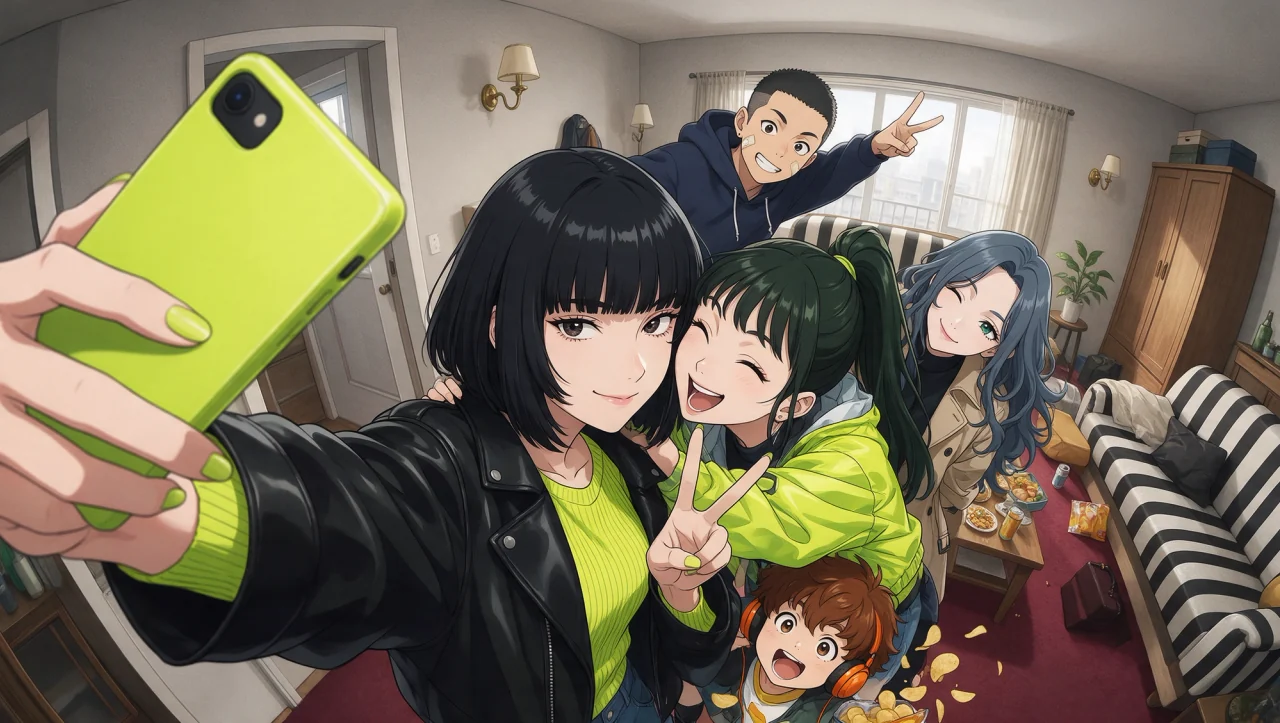
All news Templates Models Pricing Updates AI world Featured story Original Mangaka illustration from the Higgsfield announcement. Higgsfield ↗ AI world 2026-11-03
The new tool plans stories, prepares the cast, and illustrates chapters. Seven workflow steps, review checks, export options, and the costs listed in the November 3 announcement.
Read ↗ From the editorial desk ▶ Watch video cdn.sanity.io Loading shares connection information with this site.
Media from the Higgsfield article. Higgsfield ↗ AI world 2026-11-03
Higgsfield’s October 31 guide covers building scenes from references and restyling existing footage into anime with Genjutsu.
Read ↗ ▶ Watch video cdn.sanity.io Loading shares connection information with this site.
Media from the Higgsfield article. Higgsfield ↗ AI world 2026-11-03
Higgsfield explains choosing a UGC or Motion template, adding product references and reviewing the output, including packaging, labels and colors.
Read ↗ Media from the Hugging Face article. Hugging Face ↗ AI world 2026-11-03
An October 29 article introduces AnySpeechRecognizer with a familiar Swift API, engine choice and speaker diarization, alongside AnyDecisionModel.
Read ↗ Media from the NVIDIA / Hugging Face article. NVIDIA / Hugging Face ↗ AI world 2026-11-03
NVIDIA describes an open-weight model for transcription, speaker attribution, translation and audio questions, guided by natural-language instructions.
Read ↗ ▶ Watch video cdn.sanity.io Loading shares connection information with this site.
Media from the Higgsfield article. Higgsfield ↗ AI world 2026-11-03
An October 28 guide demonstrates scene building, 3D assets and video generation from Blender’s viewport in a step-by-step workflow.
Read ↗ Image from the source article. Hugging Face ↗ AI world 2026-10-27
Liquid AI published the LFM3 family and practical material on adapting models to a specific task.
Read ↗ Image from the source article. Hugging Face ↗ AI world 2026-10-27
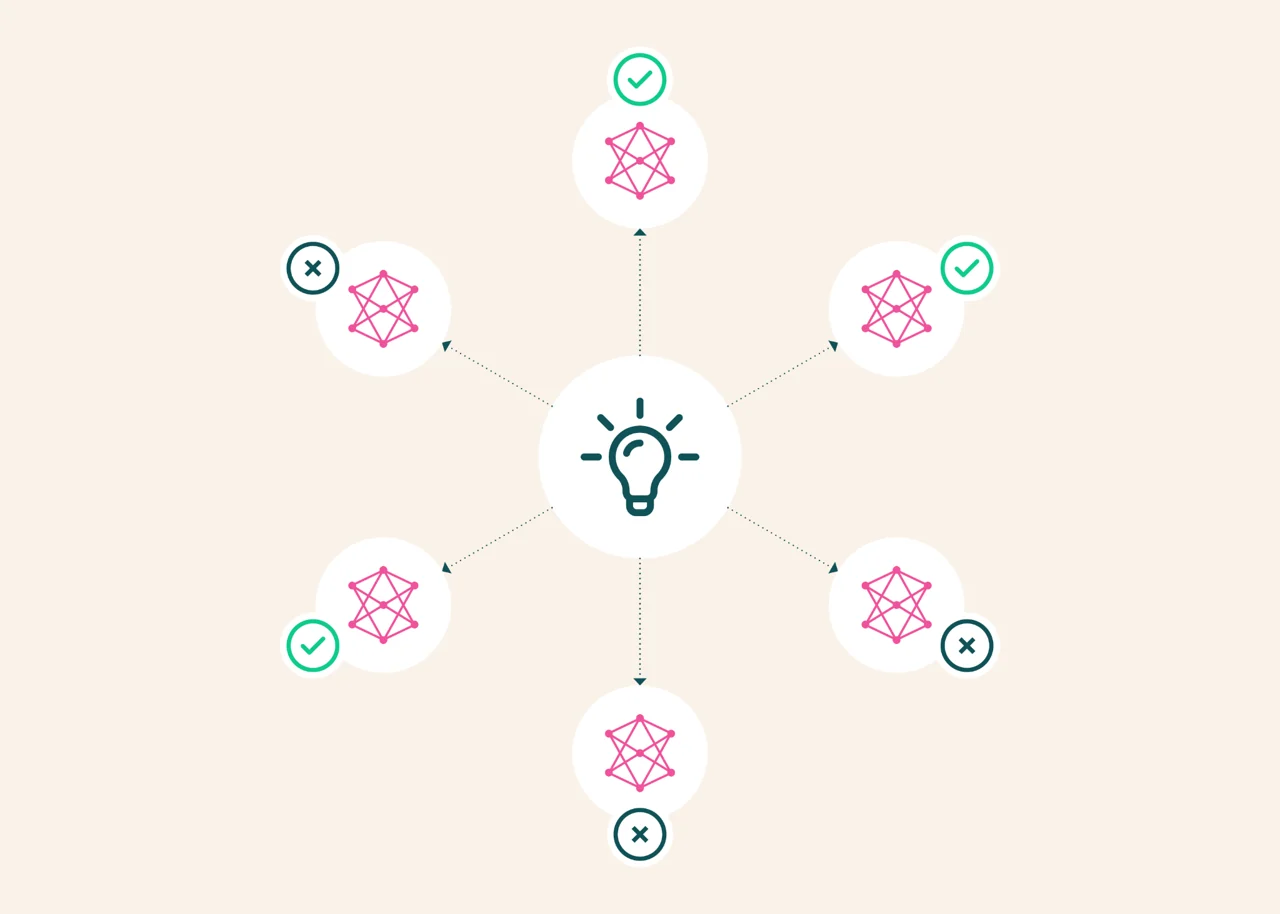
Ai2 released a study and benchmark examining how consistently language models judge the novelty of research ideas.
Read ↗ Retrofuturistic illustration from the official ChatGPT Images 2.5 announcement. OpenAI ↗ AI world 2026-10-22
A look at OpenAI’s September 8 announcement. Two API models offer different speed and editing-precision tradeoffs; this is a provider update.
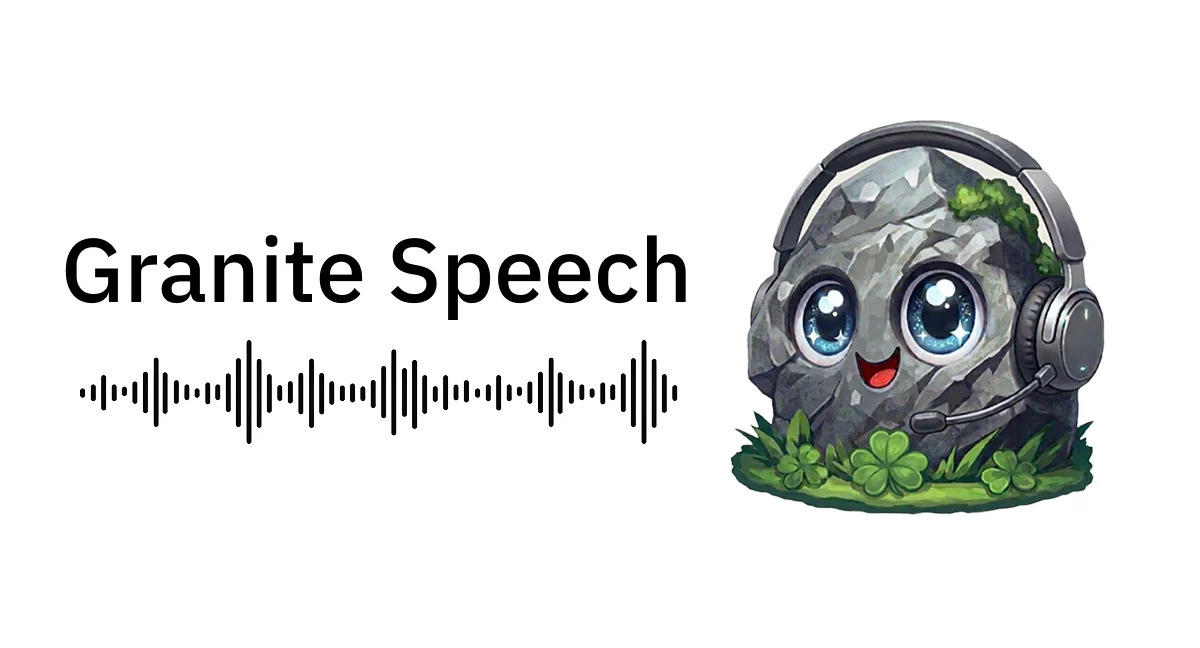
Read ↗ Original demonstration from IBM / Hugging Face. IBM / Hugging Face ↗ AI world 2026-10-22
IBM’s October 21 release adds language prompting and up to 2,000 keywords for transcription. Russian is absent from the published ASR language list.
Read ↗ An example from the official Nano Banana family page, not our test of version 2.1. Google DeepMind ↗ AI world 2026-10-22
Google DeepMind’s October 6 model card describes image generation and editing, while flagging small-text and character-consistency limitations.
Read ↗ ▶ Watch video eleven-public-cdn.elevenlabs.io Loading shares connection information with this site.
Original demonstration from ElevenLabs. ElevenLabs ↗ AI world 2026-10-22
Announced by ElevenLabs on October 15, with the article updated October 20. Effects follow video cues and remain on separate layers.
Read ↗